
 English
 русский
 Español
 عربى
عربى

Why Stainless Steel Freezers Are the Better Choice for Commercial Kitchens
Content
A commercial kitchen puts equipment through conditions that would destroy most household appliances within months. Doors open and slam dozens of times per shift. Cleaning crews scrub surfaces with aggressive chemicals. Temperatures swing from the heat of the cooking line to the cold of the walk-in. In that kind of environment, the material your freezer is made from isn't a minor spec—it's the difference between a unit that lasts fifteen years and one that corrodes, chips, and fails inside of three.
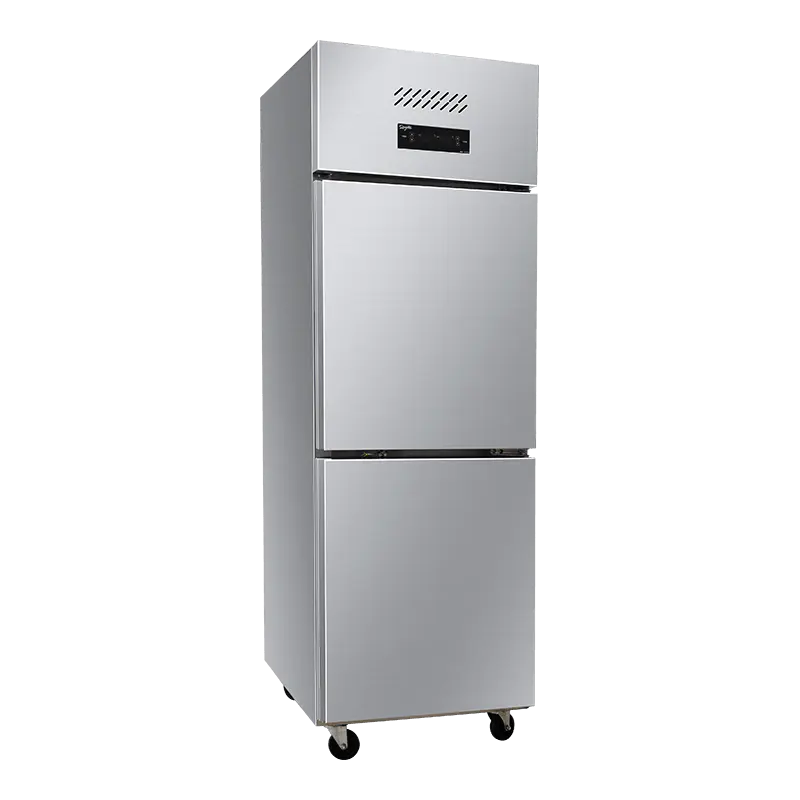
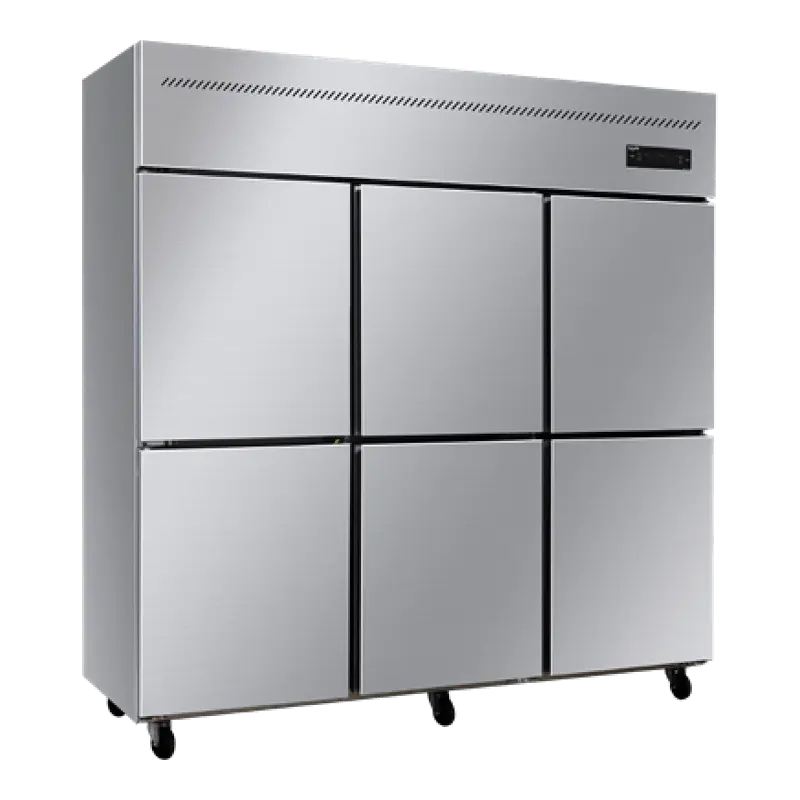
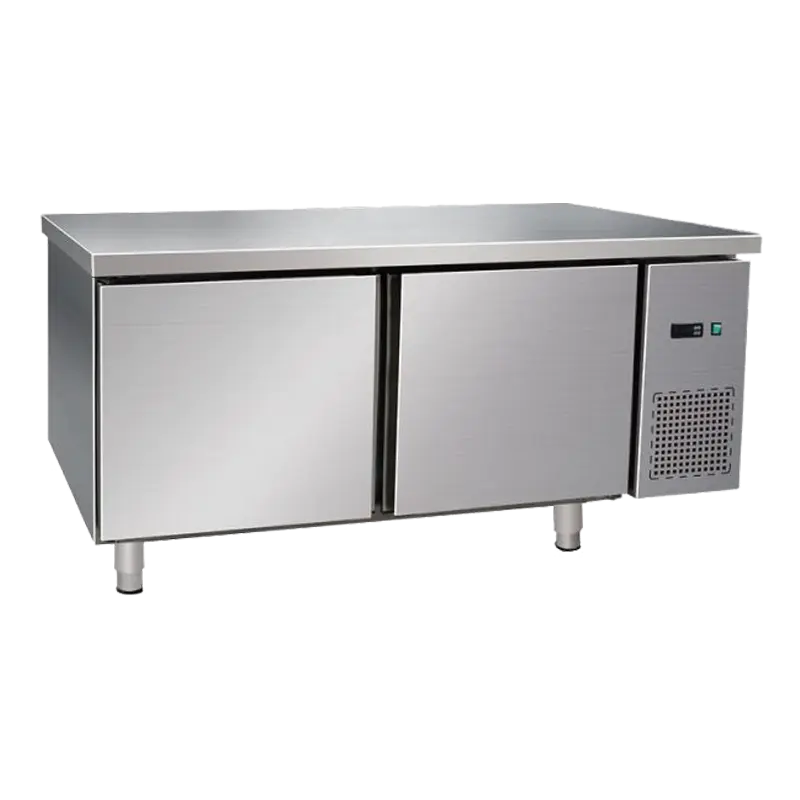
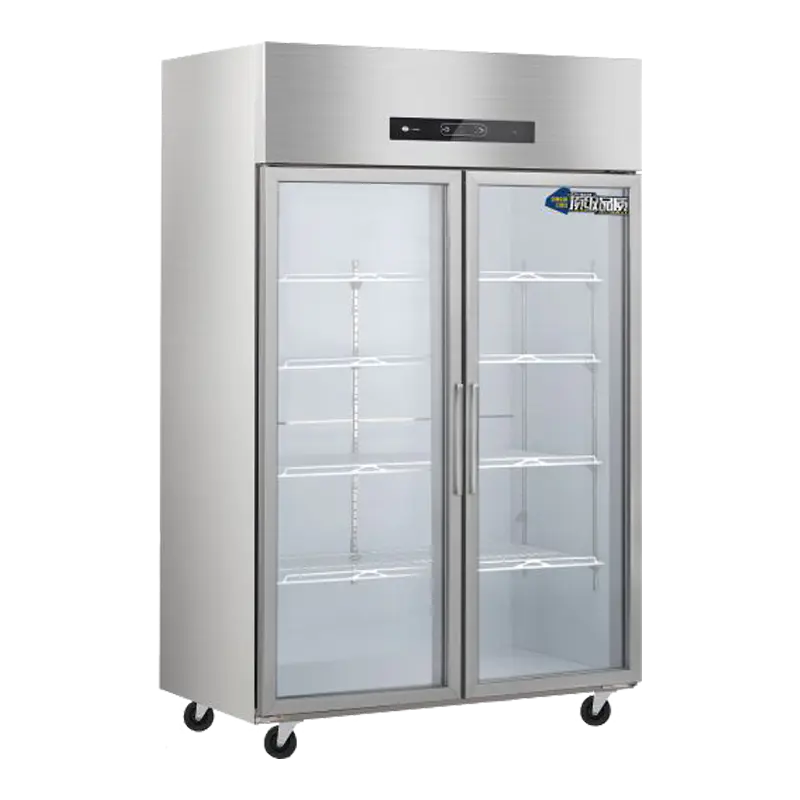
Stainless steel has become the default material for commercial freezers, and not because of tradition or aesthetics. It earns its place on a hard-nosed combination of durability, hygiene performance, regulatory compliance, and long-term economics. This article breaks down each of those advantages in practical terms so you can make a purchase decision that holds up under real-world scrutiny.
Built for the Abuse of a Real Kitchen
The structural demands placed on a commercial freezer have very little in common with what a household unit faces. Staff bump it with carts and sheet pans. The door gets yanked open mid-rush, sometimes left ajar while hands are full. Grease, moisture, and acidic food residues settle on every surface. A material that isn't engineered for that environment will show the damage quickly.
Stainless steel handles this abuse through a combination of mechanical strength and corrosion resistance. The chromium content in food-grade stainless steel—a minimum of 16% under FDA requirements—reacts with oxygen to form a self-regenerating chromium oxide film on the surface. That passive layer prevents rust from taking hold even when the metal is scratched or dented. Painted steel or coated alternatives don't share this property: once the coating is compromised, the base material begins to corrode immediately.
For kitchens that run commercial refrigeration equipment across multiple service areas—from prep zones to pass-through windows—stainless steel's resistance to physical impact means fewer dents, fewer surface cracks, and significantly less maintenance time spent on cosmetic or structural repairs.
Food Safety Starts with the Right Material
No single factor drives material selection in commercial kitchens more than food safety compliance. Health inspectors look at surfaces, and the material your freezer is made from directly determines whether it can be kept sanitary under real service conditions.
Stainless steel's non-porous surface is the core of its hygiene advantage. Bacteria require surface irregularities—micro-cracks, scratches, porous areas—to colonize and form biofilms. A properly finished stainless steel surface provides almost no foothold for microbial growth. In contrast, plastic-lined interiors or epoxy-coated panels can develop surface damage over time, creating exactly the kinds of micro-environments where pathogens can persist through routine cleaning.
From a regulatory standpoint, commercial freezers intended for foodservice must meet NSF/ANSI 7, the commercial refrigerator and freezer sanitation standard published by NSF International. This standard sets explicit requirements for surface cleanability, corrosion resistance, and the materials permitted in food-contact zones. Stainless steel grades in the SAE 200, 300, and 400 series—each containing at least 16% chromium—are the dominant materials that satisfy these requirements. When you purchase a freezer bearing NSF or ETL certification, stainless steel construction is usually what makes that certification achievable in the first place.
Why Stainless Steel Cleans Better (and Faster)
Cleaning speed matters in a commercial kitchen. Any surface that takes longer to sanitize—or that requires special handling to avoid damage—adds time and risk to a process that already happens under pressure, often at the end of a long service.
Stainless steel wipes clean quickly because its smooth surface doesn't retain food particles or absorb cleaning agents. It tolerates strong sanitizing chemicals—including chlorine-based and quaternary ammonium compounds—without degrading. This compatibility with standard commercial cleaning protocols is something many alternative materials cannot match. Powder-coated finishes can blister when exposed to concentrated sanitizers. Plastic panels absorb odors and discolor under repeated chemical exposure. Stainless steel handles both without surface degradation.
The interior matters as much as the exterior. A stainless steel interior liner can be wiped down completely, including corners and seams, without concern about damaging a coating. Units with both stainless steel interior and exterior consistently score higher in food safety audits because there is no painted or coated surface to check for chips, peeling, or corrosion—common failure points that health inspectors specifically look for during inspections.
The Right Grade for the Right Kitchen
Not all stainless steel is the same, and understanding the practical differences between grades helps you match the freezer to your specific environment rather than buying on price or appearance alone.
Grade 304 (18% chromium, 8% nickel) is the most widely used food-grade stainless steel. It performs excellently in standard restaurant and catering environments, resisting corrosion from most food acids, cleaning agents, and moisture. For the majority of commercial kitchens, Grade 304 is the right specification—it offers the best combination of corrosion resistance, workability, and cost.
Grade 316 adds molybdenum to the alloy, which significantly improves resistance to chloride-induced corrosion. This matters in seafood-heavy operations, coastal restaurants where salt air is a factor, or kitchens that use chloride-based sanitizers at high concentrations. The price premium for 316 is justified in these environments; in a standard inland restaurant it usually isn't necessary.
If you're sourcing from a manufacturer, ask explicitly which grade is used for the interior and exterior shell. Some lower-cost units use 430 stainless steel—a ferritic grade with lower nickel content—which offers acceptable corrosion resistance in dry, low-acid conditions but is not recommended for high-moisture or high-chloride environments. The spec sheet should make this clear before you commit.
A Lower Total Cost of Ownership
The sticker price of a stainless steel commercial freezer is almost never the cheapest option in its category. That comparison becomes misleading the moment you look beyond the purchase price to the full operational lifetime of the unit.
A well-maintained commercial freezer with stainless steel construction regularly lasts 15 years or more. Painted steel or coated alternatives in the same service environment tend to require either resurfacing or replacement far sooner—often within five to seven years—as corrosion compromises both appearance and structural integrity. Spread the purchase price across a 15-year lifecycle and the economics shift considerably in favor of stainless steel.
Maintenance costs tell a similar story. Stainless steel doesn't require repainting, recoating, or patching when surface damage occurs. The self-passivating property means minor scratches don't escalate into rust problems the way they do with coated metals. Repair calls for a stainless steel unit are almost always about mechanical components—compressors, gaskets, temperature sensors—rather than structural or surface failures. For operators managing a fleet of equipment, that distinction translates directly into fewer emergency service calls and lower total maintenance spend.
When it's time to move or reconfigure your kitchen, stainless steel units retain value for resale or trade-in far better than alternative materials. If you're evaluating how to safely move and reposition heavy commercial freezers, a stainless steel unit's structural integrity also makes it more forgiving of the stresses involved in relocation.
What to Look for When Buying
Armed with the right criteria, evaluating a commercial freezer becomes a straightforward exercise rather than a guessing game. These are the points that actually determine whether a unit will perform over its full intended lifespan.
- Interior and exterior stainless steel: Confirm both surfaces. Some units use stainless steel exteriors with painted or aluminum interiors—the interior is the more hygienically critical surface and should be the higher specification.
- Steel grade disclosure: Look for 304 stainless steel as the baseline. If your operation involves high salt, seafood, or aggressive cleaning chemicals, ask whether 316 is available.
- NSF/ANSI 7 or ETL certification: These marks confirm the unit has been independently tested against commercial food safety and sanitation standards—not just claimed to meet them by the manufacturer.
- Compressor warranty: A manufacturer's confidence in their product shows up in the compressor warranty period. Look for a minimum of five years; the best units offer six or more.
- Temperature recovery time: In busy service conditions, freezer doors open frequently. Units with bottom-mounted compressors and well-insulated cabinet walls maintain temperature more consistently through peak use.
For operations that need high-capacity frozen storage at extreme low temperatures, deep low-temperature chest freezers designed for bulk storage offer stainless steel construction with the added capacity to hold inventory for extended periods without temperature risk.
The decision to invest in stainless steel construction isn't about buying the most expensive option—it's about buying the option that holds its performance, its compliance standing, and its resale value across the full working life of the equipment. In a commercial kitchen, that math consistently points in one direction.