
 English
 русский
 Español
 عربى
عربى

Hotel Kitchen Refrigeration Solutions: From Ingredient Storage to Food Holding
Content
- 1 Why Hotel Kitchens Demand a Multi-Zone Refrigeration Strategy
- 2 Zone 1 – Bulk Ingredient Storage: Walk-In Coolers and Freezers
- 3 Zone 2 – Daily Prep Access: Reach-In Refrigerators and Undercounter Units
- 4 Zone 3 – Specialized Cold Storage: Display Cases, Meat Coolers, and Blast Chillers
- 5 Zone 4 – Food Holding Before Service: Temperature Maintenance at the Pass
- 6 Ice Supply: The Often-Overlooked Refrigeration Need
- 7 How to Build Your Hotel Kitchen Refrigeration Equipment Matrix
A hotel kitchen is not a single operation — it is several kitchens running in parallel. Breakfast buffets, à la carte dining, room service, banquet production, and staff meals may all run simultaneously, each with its own ingredient types, preparation timelines, and service temperatures. That complexity makes refrigeration one of the most consequential equipment decisions a hotel can make. Get it right, and the kitchen runs smoothly, food stays safe, and waste stays low. Get it wrong, and the consequences range from daily inefficiencies to serious food safety failures.
The key insight is this: hotel kitchens do not need a single refrigeration unit — they need a coordinated, zone-by-zone cold chain that carries food safely from the receiving dock to the guest's plate. This guide walks through each zone, the equipment that serves it, and the decisions that matter most at each stage.
Why Hotel Kitchens Demand a Multi-Zone Refrigeration Strategy
A small restaurant might get by with one or two reach-in refrigerators and a chest freezer. A hotel kitchen cannot operate that way. The volume of ingredients, the diversity of menu programs, and the non-stop service cycle create refrigeration needs that span multiple temperature ranges, storage durations, and access patterns — all at once.
Consider a mid-sized hotel with 150 rooms, a full-service restaurant, and a banquet hall. On any given day, that kitchen might need to keep 80 kg of fresh seafood below 2°C, hold frozen pastry dough at -18°C, chill a large batch of just-cooked soup before overnight storage, display marinated meats at the prep line, and supply ice to three separate service stations. No single refrigeration unit addresses all of these needs. Each zone of the kitchen has its own refrigeration logic, and planning them together — rather than adding equipment reactively — is what separates efficient hotel kitchens from chaotic ones.
Zone 1 – Bulk Ingredient Storage: Walk-In Coolers and Freezers
Every hotel kitchen cold chain begins here. Walk-in coolers and freezers are the primary receiving and bulk storage infrastructure. They accept large deliveries, buffer seasonal surges in demand, and serve as the master inventory for everything the kitchen produces.
For a hotel restaurant serving 200–400 covers per day, a walk-in cooler footprint of at least 10 ft × 10 ft (approximately 3 m × 3 m) is a practical starting point. Hotels with banquet operations or multi-outlet dining will typically require considerably more. The general planning rule is to size slightly above current peak demand — not average demand — to absorb both seasonal spikes and future growth without a disruptive equipment upgrade.
Temperature discipline inside the walk-in is as important as its capacity. Raw proteins should be stored at the lowest shelf position, with produce and dairy on higher shelves and prepared foods at the top. This vertical segregation prevents cross-contamination and is a core requirement under most HACCP-based food safety frameworks. Walk-in cooler temperatures should be maintained between 1°C and 4°C; walk-in freezers should hold at -18°C or below.
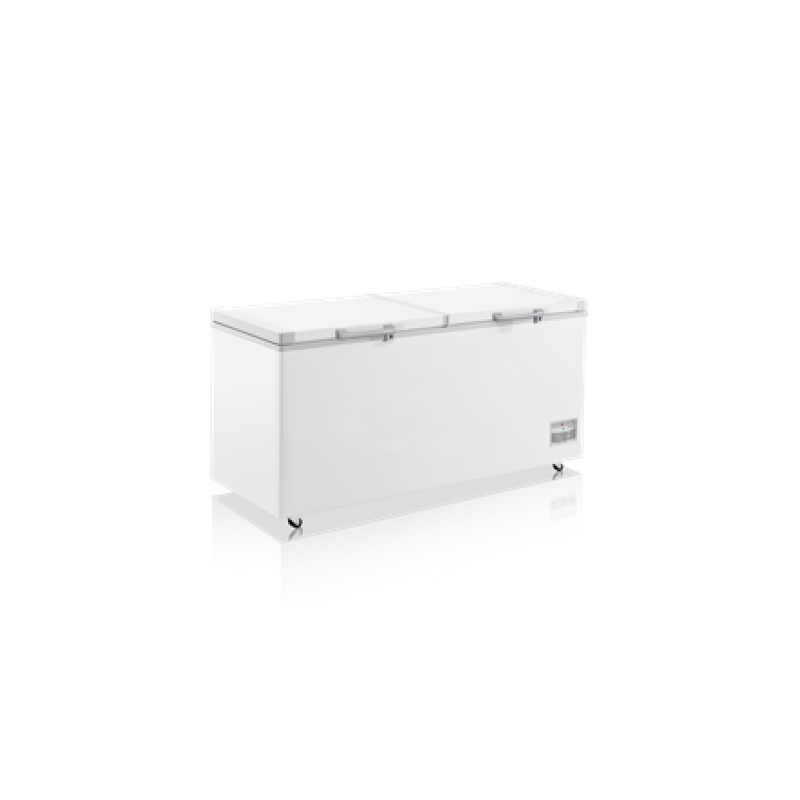
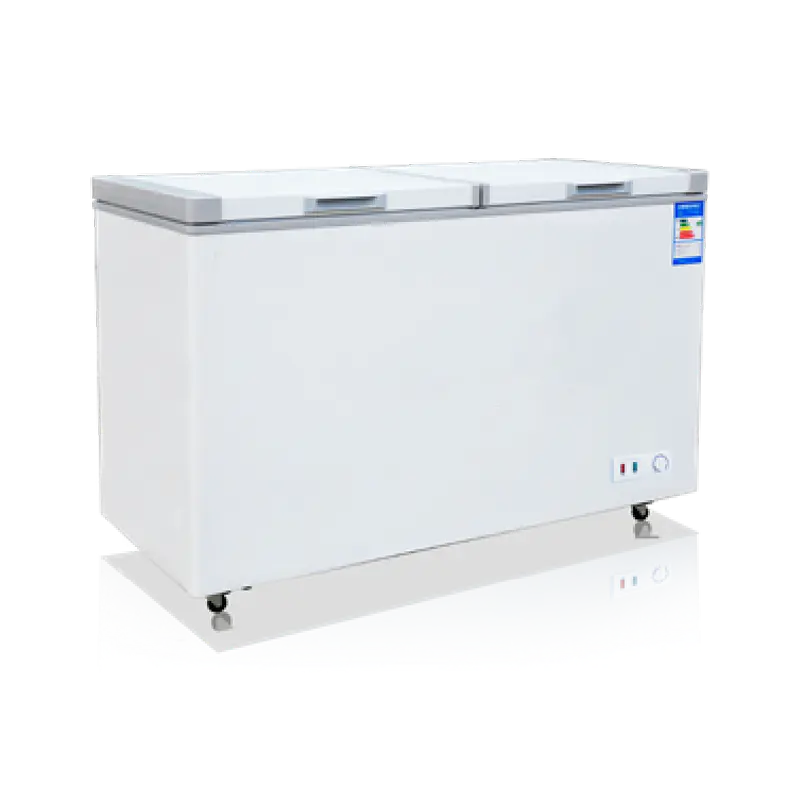
For hotels with off-site receiving or multiple kitchen stations, commercial chest freezers with mobility features can serve as a practical supplement for transferring frozen goods between locations without breaking the cold chain.
Zone 2 – Daily Prep Access: Reach-In Refrigerators and Undercounter Units
Walk-in units are optimized for capacity and bulk storage, not for the fast, frequent access that prep cooks need throughout a service shift. Every time a walk-in door opens, the unit works harder to recover its temperature. Equipping prep stations with reach-in refrigerators and undercounter units solves this problem by keeping the day's working ingredients at arm's reach, without disturbing bulk storage.
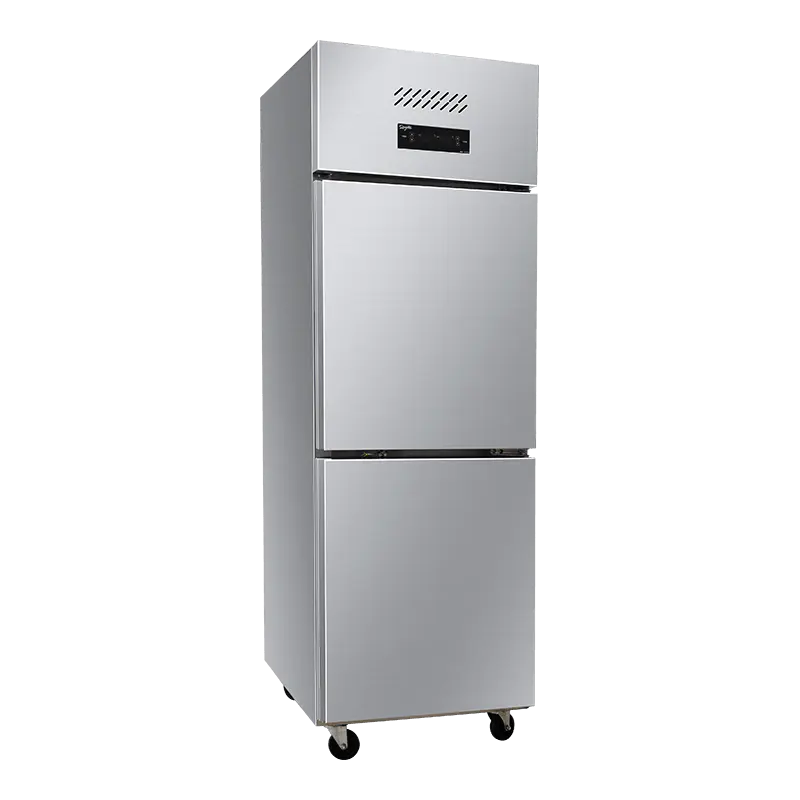
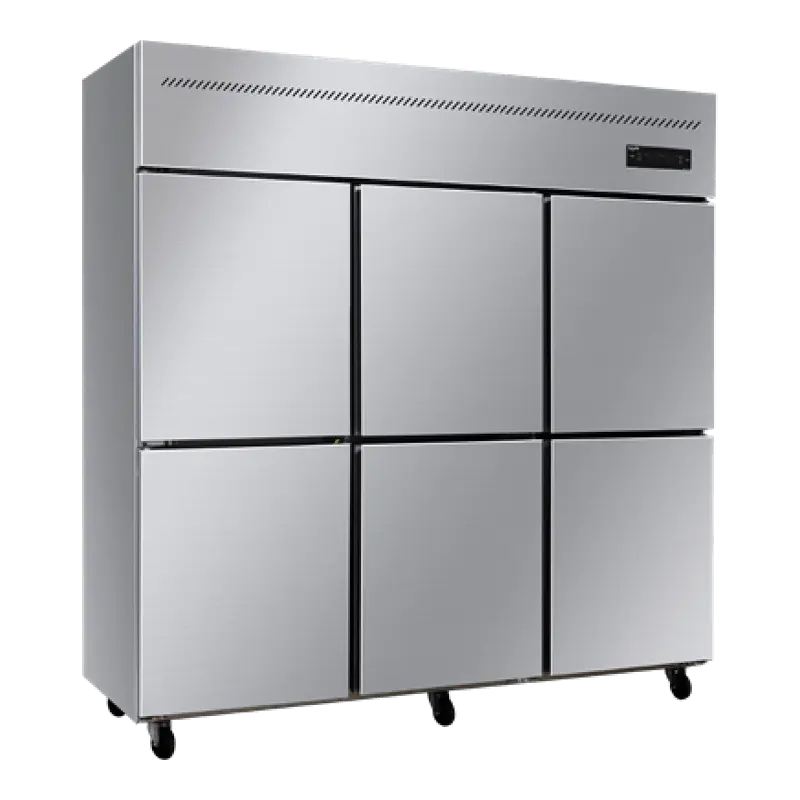
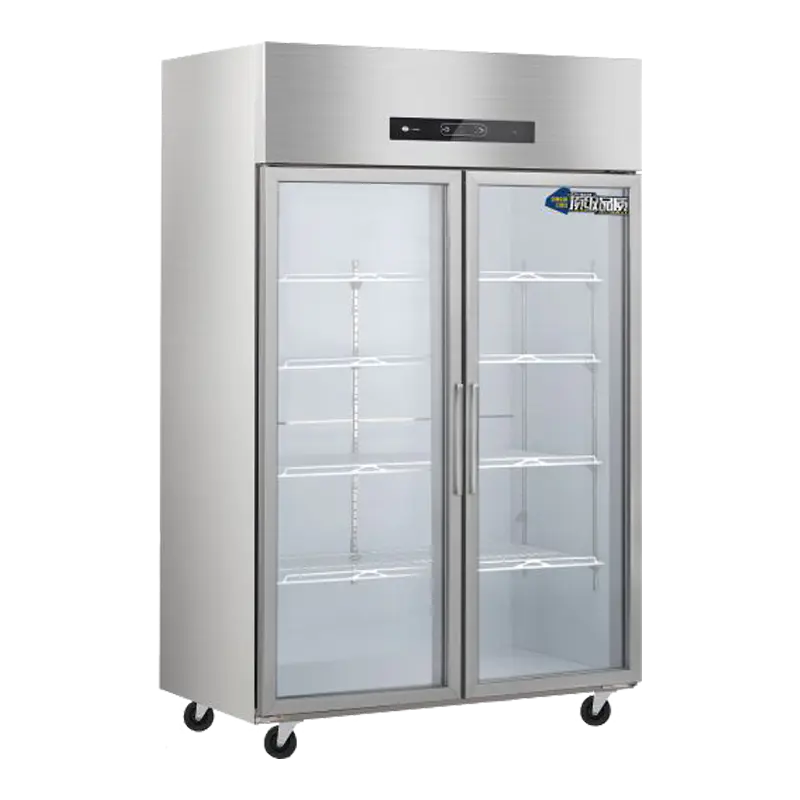
Reach-in refrigerators — typically two-door or three-door upright units — are the workhorse of the hotel prep kitchen. A two-door reach-in with a capacity of 400–600 liters suits most single-station needs. Glass-door models allow staff to identify contents at a glance, which reduces door-open time and supports faster service. Solid-door models offer slightly better temperature stability and are preferable for sensitive ingredients like raw fish or delicate pastry components.
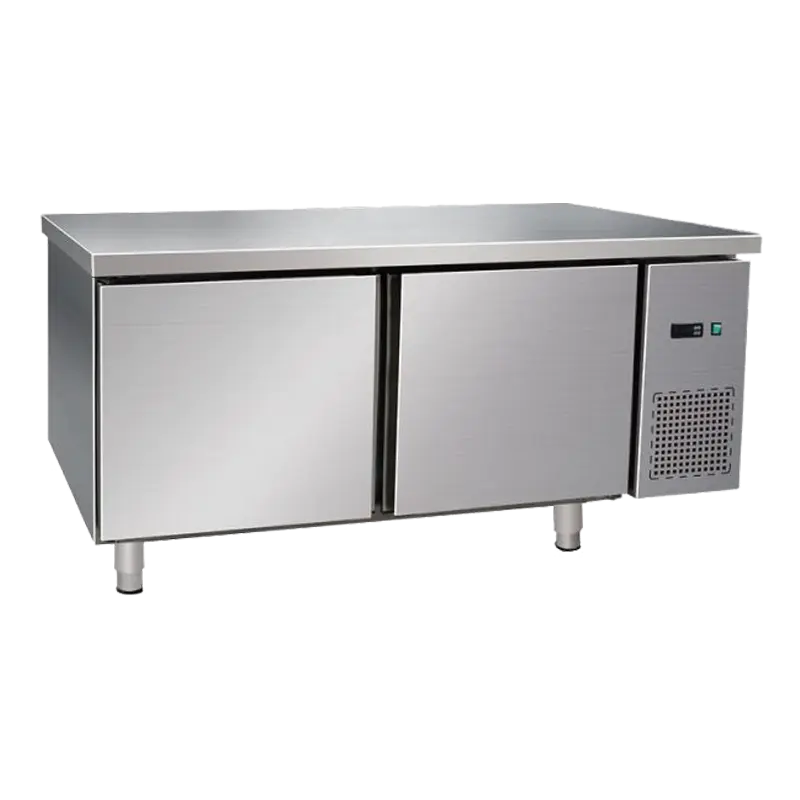
Undercounter refrigerators integrate directly beneath prep tables, maximizing the use of vertical space in tight kitchen layouts. They are particularly effective at seafood cleaning stations, pastry counters, and the cold-side pass, where speed matters and floor space is limited. The dual function of work surface and cold storage is one of the most practical space-efficiency gains available to hotel kitchen designers.
| Station | Recommended Unit | Key Reason |
|---|---|---|
| Main prep line | 2–3 door reach-in | High volume, multiple ingredient types |
| Seafood / protein station | Solid-door reach-in | Stable low temperature, odor containment |
| Pastry counter | Undercounter refrigerator | Space efficiency, integrated workflow |
| Service pass (cold side) | Undercounter refrigerator | Fast access, minimal footprint |
| Banquet prep station | 2-door reach-in + undercounter | High volume surge capacity |
Zone 3 – Specialized Cold Storage: Display Cases, Meat Coolers, and Blast Chillers
Beyond standard reach-ins, hotel kitchens serving diverse menus require specialized refrigeration that addresses specific product categories and food safety workflows.
Meat and seafood display coolers are glass-front refrigerated cases, typically operating between 0°C and 2°C, designed to hold fresh proteins while keeping them visible to kitchen staff. In open-kitchen or exhibition-style hotel restaurants, these units serve a dual purpose: storage and presentation. The ability to showcase fresh ingredients to guests has become a growing feature of contemporary hotel dining design.
Blast chillers address one of the most critical but often overlooked risks in hotel kitchens: the cool-down phase after cooking. Large batches of stocks, braises, sauces, and cooked proteins must pass through the temperature danger zone (60°C to 4°C) as quickly as possible to prevent bacterial growth. A blast chiller drops food temperature from 70°C to below 3°C in 90 minutes or less — a standard set by most food safety authorities. For any hotel kitchen producing food in large batches, a blast chiller is not optional equipment; it is a compliance necessity.
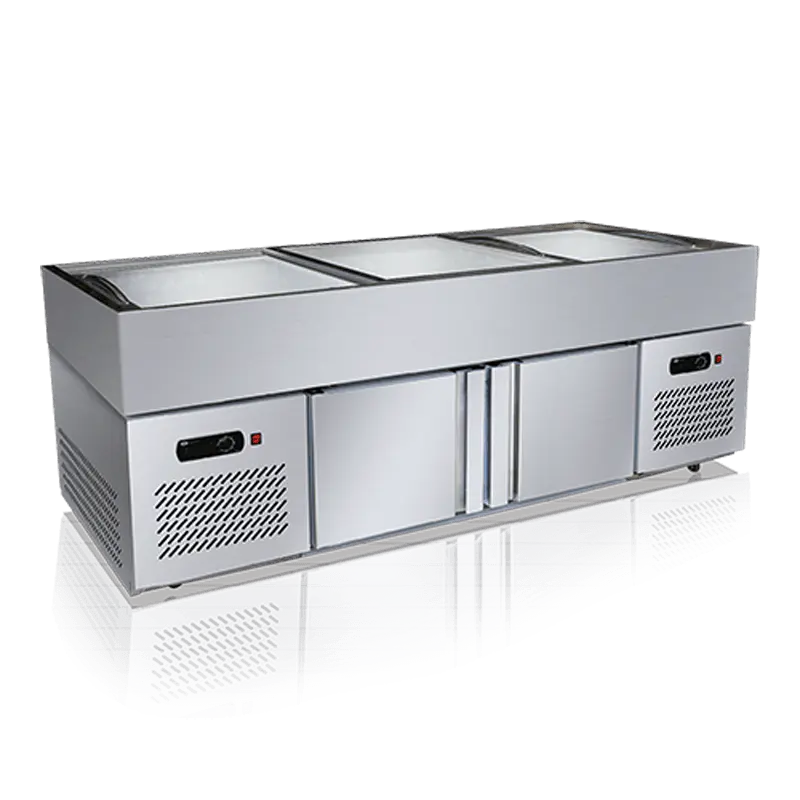
Refrigerated prep tables (also called sandwich or pizza prep units) combine a refrigerated base with an open top rail that keeps portioned ingredients chilled and accessible during service. These are especially useful in hotel kitchens that run buffet stations or live cooking counters, where staff need simultaneous access to dozens of prepped components.
Zone 4 – Food Holding Before Service: Temperature Maintenance at the Pass
The final stage before food reaches the guest is one of the most temperature-sensitive moments in the entire service cycle. Cooked proteins, chilled salads, dessert plates, and pre-portioned appetizers must all be held at safe temperatures while waiting for table-by-table service timing to align.
On the cold side of the pass, under-counter refrigerators and refrigerated display cases maintain chilled dishes at 4°C or below until they are called away by the expeditor. The equipment must be accessible enough for fast plating, but sealed enough to prevent temperature drift during high-volume service periods.
The cold-holding phase is where breakdowns in the cold chain most visibly affect food quality. A salad that warms to 12°C during a busy lunch service will wilt, lose texture, and present a safety risk — even if every earlier step was managed correctly. Investing in robust, well-sealed cold-holding equipment at the pass is the final safeguard of the entire refrigeration system.
For operations under HACCP programs, temperature logging at the pass is a standard audit requirement. Modern commercial refrigeration units with built-in digital temperature monitoring and alarm systems significantly simplify this compliance documentation.
Ice Supply: The Often-Overlooked Refrigeration Need
Ice is not a minor afterthought in hotel kitchen planning — it is a critical operational input used simultaneously in multiple locations: bar service, seafood display, beverage prep, cook-chill workflows, and guest-facing buffet stations. A single ice machine serving all of these needs creates a single point of failure that can disrupt service across several departments at once.
The right approach is to plan ice production by zone. Bar areas benefit from countertop or undercounter ice machines positioned close to the point of use. The main kitchen typically requires a dedicated high-capacity unit — cube, nugget, or flake type, depending on the primary application. Buffet and display setups often use flake ice, which molds around products and provides even surface chilling.
Capacity planning should account for peak demand, not average demand. A hotel hosting banquet functions on weekends will have ice needs two to three times higher than a routine weekday service. Understanding how long it takes for an ice maker to reach full output is important when scheduling equipment startup ahead of high-demand periods — improper timing is one of the most common causes of ice shortages during peak service.
How to Build Your Hotel Kitchen Refrigeration Equipment Matrix
Rather than selecting refrigeration equipment in isolation, hotel operators benefit from mapping their needs against a structured equipment matrix that accounts for hotel scale, service type, and kitchen zone. The table below offers a practical reference for three common hotel kitchen configurations.
| Equipment Type | Boutique Hotel (under 80 rooms) | Mid-Scale Hotel (80–200 rooms) | Full-Service Hotel (200+ rooms / banquet) |
|---|---|---|---|
| Walk-in cooler | 1 unit, 6×8 ft | 1–2 units, 10×10 ft | 2+ units, 12×12 ft or custom |
| Walk-in freezer | 1 unit, 6×6 ft | 1 unit, 8×10 ft | 1–2 units, 10×12 ft or custom |
| Reach-in refrigerator | 1–2 doors | 2–4 doors across stations | 4–8 doors, multiple stations |
| Undercounter refrigerator | 1–2 units | 2–4 units | 4–8 units |
| Blast chiller | Optional | Recommended | Essential |
| Meat / display cooler | Optional | Recommended | Essential |
| Ice machine | 1 unit | 2 units (bar + kitchen) | 3+ units by zone |
Building a hotel kitchen refrigeration system that performs reliably across every zone requires equipment that is designed for commercial demands — not residential-grade units running beyond their rated capacity. Look for units certified to ISO 9001 quality management standards, with proven temperature stability data and energy efficiency ratings appropriate to 24/7 operation.
The right commercial refrigeration solutions do not just keep food cold — they protect your food safety compliance, reduce operational waste, and give your kitchen team the tools they need to execute consistently at scale.