
 English
 русский
 Español
 عربى
عربى

Glass Door Multideck Chiller for Perishable Item Preservation
Content
- 1 Why a Glass Door Multideck Chiller Is Effective for Preservation
- 2 How Temperature Stability Protects Perishable Items
- 3 What Products Benefit Most from This Chiller Type
- 4 Key Design Features That Improve Preservation
- 5 Practical Comparison of Common Preservation Factors
- 6 How It Helps Food Retail and Medical Storage Differently
- 7 Best Practices to Get Better Preservation Results
- 8 Signs the Chiller Is Not Preserving Items Properly
- 9 What to Consider Before Choosing One
- 10 Conclusion
Why a Glass Door Multideck Chiller Is Effective for Preservation
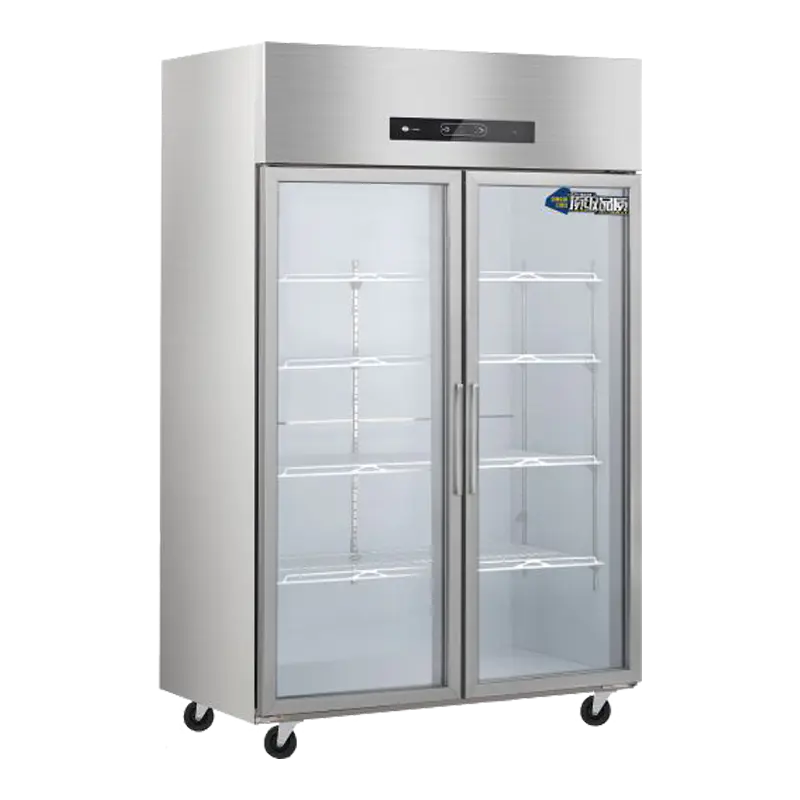
A glass door multideck chiller is designed to preserve food, medicine, and other perishable items by maintaining a stable chilled environment, reducing temperature loss, and improving product visibility without frequent door opening. This matters because many perishable goods lose quality quickly when exposed to fluctuating temperatures, warm air, or poor stock rotation.
Compared with open-front refrigerated displays, a closed glass door system helps limit cold-air escape. In practical use, this supports more reliable internal temperatures, which is essential for products such as dairy, ready meals, beverages, fresh produce, vaccines, supplements, and laboratory supplies that must remain within a controlled range.
For operators, the value is not only preservation but also consistency. A properly configured unit can improve shelf life, lower spoilage risk, and help staff monitor stock more accurately because the transparent doors make it easier to check inventory at a glance.
How Temperature Stability Protects Perishable Items
Preservation starts with temperature control. Most chilled foods are stored around 0°C to 5°C, while some medicines and healthcare products often require storage within 2°C to 8°C. Even small deviations can shorten usable life, affect texture and taste, or reduce product effectiveness.
Reduced cold-air loss supports a more stable interior
Glass doors act as a physical barrier between the chilled cabinet and the warmer surrounding environment. This reduces rapid heat exchange each time customers browse. In a busy retail or medical setting, fewer temperature swings can make a measurable difference in how evenly products are cooled across shelves.
Uniform airflow helps protect products on every shelf
Multideck chillers rely on circulated air to move cooled air through the cabinet. When airflow is properly balanced, products placed at upper, middle, and lower levels remain within the target range more consistently. This is especially important for items with stricter storage requirements, including pre-packed meals, dairy desserts, injectable medicines, and diagnostic materials.
Stable cooling can reduce avoidable waste
If refrigerated goods are repeatedly exposed to warmer air, condensation, microbial growth, and quality loss may accelerate. In practical terms, stable refrigeration helps businesses reduce shrinkage, protect inventory value, and avoid premature disposal of still-sellable stock.
What Products Benefit Most from This Chiller Type
A glass door multideck chiller is suitable for a wide range of temperature-sensitive goods. The exact mix depends on the site, but the following categories typically benefit most from controlled cooling and easy visibility:
- Fresh dairy products such as milk, yogurt, butter, and cheese
- Prepared foods including sandwiches, salads, desserts, and ready meals
- Packaged meat, chilled seafood, and plant-based refrigerated alternatives
- Temperature-sensitive medicines, healthcare products, and selected laboratory supplies
- Fresh-cut fruit, vegetables, juices, and specialty beverages
For example, dairy products often show noticeable quality decline if kept above the recommended chilled range for extended periods. Similarly, many medicines are labeled for refrigerated storage because active ingredients may become less stable if temperatures rise beyond the specified threshold.
Key Design Features That Improve Preservation
Not every refrigerated display performs equally. Preservation quality depends heavily on how the unit is built and used. Several design features have a direct effect on product protection.
Glass doors limit warm-air infiltration
The most obvious advantage is the door itself. By reducing constant exposure to ambient air, the cabinet can recover temperature faster after access and hold products in a more stable cooling zone.
Multiple deck levels support organized storage
A multideck layout gives staff room to separate categories, expiration dates, or storage priorities. This supports better stock rotation, which is one of the simplest ways to reduce spoilage. Goods with shorter shelf life can be positioned for faster sale or easier monitoring.
Internal lighting improves visibility without raising handling frequency
When customers and staff can clearly see products through the door, they spend less time searching. That means shorter door-open time and less disruption to the interior temperature.
Shelving flexibility helps match storage needs
Adjustable shelves make it easier to accommodate different package heights and product types. This matters because overcrowded shelves block airflow, while oversized gaps can reduce storage efficiency. Good shelf planning supports both cooling performance and product access.
Practical Comparison of Common Preservation Factors
| Factor | Why It Matters | Practical Impact on Food or Medicine |
|---|---|---|
| Stable temperature range | Reduces stress from repeated warming and cooling | Helps preserve taste, texture, safety, and product effectiveness |
| Glass door enclosure | Limits cold-air escape | Supports more consistent cooling during busy trading periods |
| Balanced airflow | Prevents warm spots and uneven cooling | Protects products on upper and lower shelves alike |
| Clear product visibility | Makes stock easy to identify quickly | Reduces door-open time and handling errors |
| Organized shelf layout | Improves rotation and access | Helps reduce expired stock and hidden spoilage |
How It Helps Food Retail and Medical Storage Differently
Although the same chiller format can serve both commercial and healthcare environments, the preservation priorities are not identical.
In food retail, quality and saleability are the main focus
Retailers need products to remain visually appealing, safe, and ready for sale. A chilled display that keeps packaging dry, temperatures steady, and products visible can help protect margin. For instance, ready-to-eat meals and dairy lines often experience losses when shelf temperatures drift or stock is packed too tightly for air circulation.
In medical storage, compliance and product integrity are more critical
For medicines and healthcare supplies, preservation is less about appearance and more about maintaining required storage conditions. Even when products look unchanged, exposure outside the recommended range may affect their reliability. This is why temperature control is not just beneficial but essential when storing refrigerated medical items.
Best Practices to Get Better Preservation Results
A well-designed glass door multideck chiller performs best when daily operation supports the refrigeration system rather than working against it. These practices make a clear difference:
- Keep products within their recommended storage range and verify with regular temperature checks
- Avoid overloading shelves, because blocked vents can disrupt airflow and create uneven cooling
- Use first-expire, first-out rotation so older stock is sold or used before newer deliveries
- Minimize door-open time during restocking and cleaning
- Clean door seals, shelves, and air passages routinely to maintain performance
- Separate products with different handling or compliance requirements
Even a strong refrigeration unit cannot compensate for poor loading habits or weak rotation practices. In many locations, simple operational improvements are the fastest way to cut spoilage.
Signs the Chiller Is Not Preserving Items Properly
Early warning signs should not be ignored, especially when storing valuable or sensitive stock. Common indicators include:
- Products near the front or top feel warmer than products at the back or bottom
- Visible condensation appears regularly on packaging or doors
- Shelf life seems shorter than expected despite normal stock turnover
- Medicine storage logs show repeated movement outside the target range
- Fans, seals, or doors do not operate smoothly, causing temperature recovery delays
These symptoms usually point to airflow restriction, poor maintenance, overstocking, or component wear. Identifying the cause early helps prevent product loss and protects storage standards.
What to Consider Before Choosing One
Selecting the right unit depends on what needs to be preserved and how the cabinet will be used each day. A practical evaluation should include product type, storage temperature target, traffic level, shelf capacity, and cleaning access.
For example, a site storing packaged drinks and dairy may prioritize visibility and restocking efficiency, while a site holding temperature-sensitive medical items may focus more heavily on monitoring accuracy, temperature uniformity, and controlled access. In both cases, the most effective solution is the one that keeps the required range steady under real operating conditions, not just under ideal test conditions.
Conclusion
A glass door multideck chiller is a practical solution for preserving food, medicine, and other perishable items because it combines stable refrigeration, reduced cold-air loss, clear product visibility, and better stock organization. When matched with correct temperature settings, proper airflow, and disciplined stock rotation, it can protect product quality, support compliance needs, and reduce unnecessary waste in both commercial and healthcare environments.