
 English
 русский
 Español
 عربى
عربى

Shot Glass Display Case with Glass Door: Complete Buyer's Guide
Content
- 1 Why a Glass Door Matters for Shot Glass Displays
- 2 Key Features to Compare Before Buying
- 3 Capacity Guide: How Many Shot Glasses Do You Need to Display?
- 4 Material Comparison: Wood, MDF, or Metal?
- 5 Installation Tips for Wall-Mounted Display Cases
- 6 UV Protection: Why It's Critical for Long-Term Display
- 7 Top Shot Glass Display Cases with Glass Doors: Recommendations by Category
- 7.1 Best Entry-Level Case: 24-Glass Wall-Mount with Magnetic Door
- 7.2 Best Mid-Range Value: 54-Glass Case with Mirror Back and Lock
- 7.3 Best Large-Format: 108-Glass Double-Wide Display
- 7.4 Best Premium: Custom Hardwood with Full UV Protection
- 7.5 Best Commercial-Grade: Locking Metal Display for Bars and Restaurants
Why a Glass Door Matters for Shot Glass Displays
Open shelving might seem convenient. It is not. Every collector who has spent weekends dusting 54 individual shot glasses knows the frustration firsthand. A glass door eliminates that problem entirely while solving several others you may not have considered.
The primary advantage is dust protection. An enclosed case can reduce particulate accumulation by over 90% compared to open racks, cutting cleaning frequency from weekly to once or twice a year. Beyond dust, a glass door creates a micro-environment that buffers against humidity swings — the same swings that cause adhesives on souvenir glasses to degrade and metallic rims to tarnish.
Then there is the display quality itself. Tempered glass doors offer 90-92% light transmittance with virtually no color distortion, meaning the collection looks exactly as it should. Acrylic doors, by contrast, transmit roughly 85% of light and can develop a yellowish tint within 3-5 years of UV exposure. For serious collectors, a glass door is the only option that preserves both the collection and its visual impact.
Security rounds out the argument. Most glass-door display cases include either magnetic catches or keyed locks, keeping curious hands away from irreplaceable travel souvenirs. In homes with children or pets, this single feature often justifies the entire investment.
| Feature | Open Shelving | Glass Door | Acrylic Door |
|---|---|---|---|
| Dust protection | None | Excellent | Good |
| UV blockage | 0% | Up to 99% | Up to 70% |
| Light transmittance | 100% | 90-92% | 85% |
| Scratch resistance | N/A | Mohs 5.5 | Mohs 2 |
| Yellowing over time | N/A | No | Yes (3-5 years) |
| Cleaning frequency | Weekly | 6-12 months | 3-6 months |
Key Features to Compare Before Buying
Not all display cases are built to the same standard. The difference between a case that serves you for 20 years and one that disappoints within 12 months comes down to five specific features. Evaluate each one before clicking purchase.
Locking Mechanism
Magnetic catches offer quick access and a clean look. They are sufficient for adult-only households where security is not a primary concern. Keyed locks provide actual security and are standard on cases in the $80-$200 range. For high-value collections — limited-edition or hand-painted pieces — a keyed brass lock with a reinforced strike plate is the minimum acceptable standard. Some premium cases now offer combination locks, though these remain rare outside custom-built units.
Back Panel Design
Mirror-backed cases create depth and amplify ambient light. A mirrored back panel increases perceived display space by approximately 30% and highlights etched or colored glass details. The trade-off is that smudges and dust on the mirror become visible quickly. Felt-lined or black velvet back panels absorb light, reduce reflections, and make dark-colored shot glasses stand out more dramatically. For collections housed in brightly lit rooms, a non-reflective back panel often produces a more gallery-like presentation.
Door Frame Construction
The door frame bears more stress than any other component. Solid wood frames resist warping but add weight. MDF frames with wood veneer offer a smooth paint finish at lower cost but can swell in humid environments. Metal frames — typically aluminum — are lightweight and moisture-proof but dent more easily. Check that the hinges are full-length piano hinges or at minimum three individual brass hinges; two small hinges on a 24-inch door will sag within months.
Shelf Adjustability
Fixed shelves limit what you can display. Adjustable shelves with metal peg supports let you reconfigure spacing when your collection changes. Cases with removable shelves also simplify deep cleaning. Confirm that shelf pins are metal, not plastic — plastic pins deform under weight over time.
Wall-Mount Hardware Included
Many cases advertise wall-mount capability but ship without mounting brackets or with hardware rated for half the loaded weight. A fully loaded 54-glass case weighs between 25 and 40 pounds depending on the glassware. Verify that the included hardware is rated for at least 50 pounds and that the mounting points align with standard 16-inch stud spacing.
| Feature | Budget Tier ($30-60) | Mid Tier ($60-120) | Premium ($120-200+) |
|---|---|---|---|
| Lock type | Magnetic | Keyed lock | Keyed brass lock |
| Back panel | Plain MDF | Mirror or felt | Mirror with anti-tarnish coating |
| Door frame | MDF | Solid wood or metal | Hardwood with reinforced corners |
| Shelf pins | Plastic | Metal | Metal with rubber caps |
| Hardware included | Basic screws | Anchors and screws | Rated brackets with drywall anchors |
Capacity Guide: How Many Shot Glasses Do You Need to Display?
Choosing the right capacity means accurately counting your current collection and leaving room for growth. Most collectors add 8-15 glasses per year through travel and gifts. Buying a case that fits exactly what you own today means buying another case in three years.
Shot glass display cases typically organize compartments in a grid. Standard compartments measure roughly 2.5 x 2.5 x 3.5 inches, accommodating the majority of standard 1.5-2 ounce souvenir glasses. Tall compartments — usually 2.5 x 2.5 x 5.5 inches — handle shooter-style glasses or miniature liquor bottles. The best layouts mix standard and tall compartments, typically in a ratio of 8:1 or 6:1.
| Capacity | Typical Dimensions (W x H x D) | Standard/Tall Split | Price Range | Best For |
|---|---|---|---|---|
| 24 glasses | 14 x 18 x 3 inches | 24/0 | $30-50 | Beginners, small collections |
| 36 glasses | 16 x 20 x 3 inches | 30/6 | $45-70 | Gift buyers, themed collections |
| 54 glasses | 20 x 24 x 3 inches | 48/6 | $60-100 | Mid-size collectors, most popular size |
| 108 glasses | 26 x 32 x 3 inches | 96/12 | $100-160 | Serious collectors, full-state displays |
| 144 glasses | 30 x 36 x 3 inches | 128/16 | $150-220 | Large collections, commercial displays |
For collections exceeding 144 glasses, consider a modular approach. Two 108-glass cases mounted side by side create a seamless 216-glass wall display that is easier to install and level than a single oversized unit. The seam between cases becomes nearly invisible when both are mounted to the same stud line and finished in the same color.
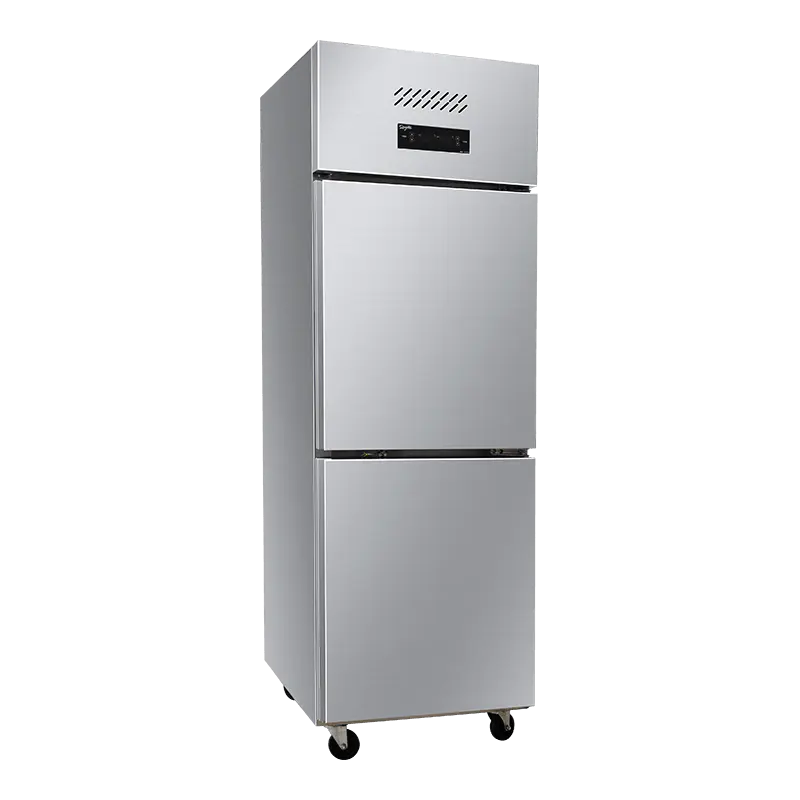
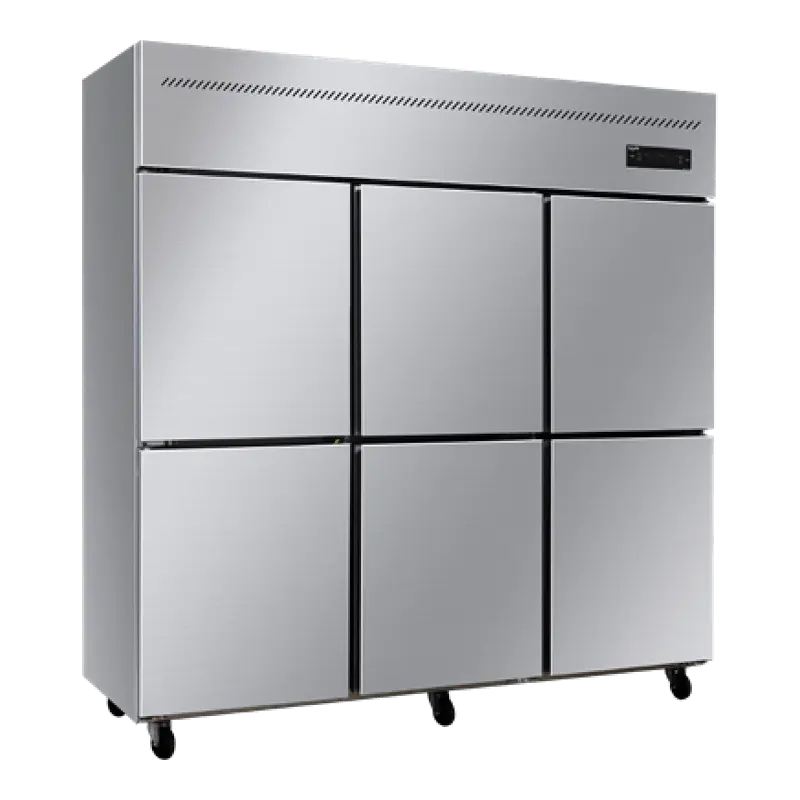
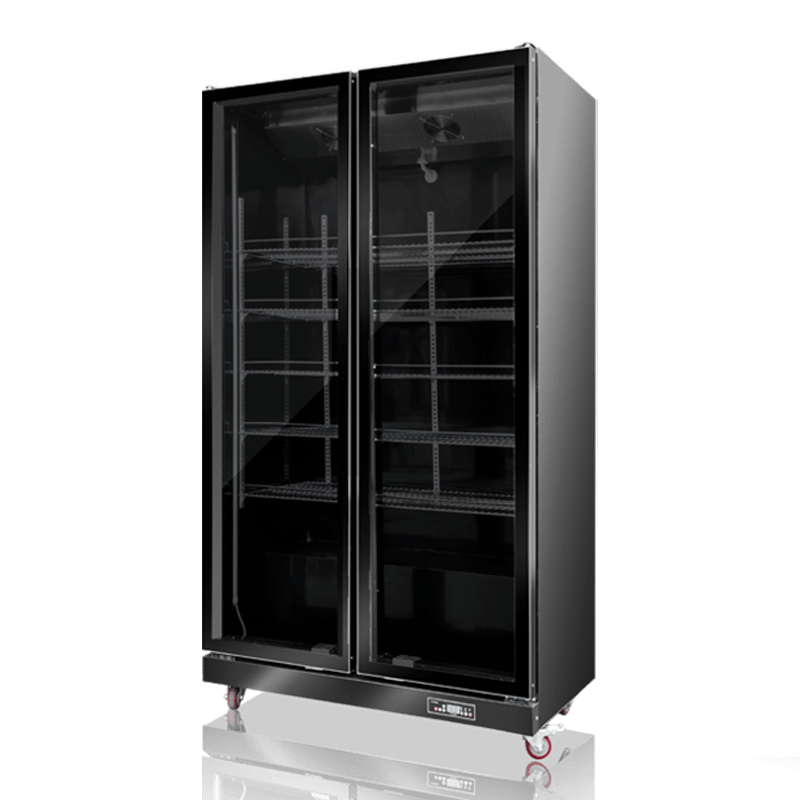
Wall-mounted cases should never exceed 40 pounds fully loaded unless mounted directly into studs with lag bolts. Desktop and floor-standing cases eliminate weight concerns but consume floor or surface area. For those exploring commercial-grade display options — particularly bars that want to showcase glassware while maintaining temperature control — a beer refrigerated display cabinet offers a different approach built for high-visibility, high-traffic settings.
Material Comparison: Wood, MDF, or Metal?
The cabinet material determines how the case looks, how long it lasts, and how well it protects the contents from environmental damage. Each material has clear strengths and specific weaknesses that should guide your decision.
Solid wood — typically pine, oak, or walnut — offers the highest perceived quality and best long-term durability. A well-joined solid wood case can last decades and develops a patina that many collectors prefer. The downsides are weight and price. A solid oak 54-glass case can weigh 30 pounds empty and cost $150-200. Solid wood also expands and contracts with humidity changes, which can cause glass doors to stick in summer months if the case is not properly sealed.
MDF with a painted or veneered finish dominates the $50-100 price range. Modern MDF cases use moisture-resistant board with a density of 600-700 kg per cubic meter, sufficient to hold screw threads securely. The smooth surface takes paint evenly, producing a clean, contemporary look. However, MDF absorbs water rapidly if the paint layer is scratched or chipped. A single spill near an MDF case can cause irreversible swelling at the base. Avoid MDF for humid environments like bathrooms or basement bars without dehumidification.
Metal cases — typically powder-coated steel or anodized aluminum — serve commercial and industrial-styled interiors well. Aluminum cases weigh roughly half as much as comparable wood cases and cannot warp or swell. The trade-off is that metal dents on impact and can feel cold or utilitarian in a home setting. For bar or restaurant installations where durability trumps warmth, metal cases with tempered glass doors are the practical choice.
| Material | Weight (54-glass empty) | Moisture Resistance | Price Range | Lifespan |
|---|---|---|---|---|
| Solid oak/walnut | 25-30 lbs | Moderate (needs sealing) | $120-200 | 20+ years |
| Solid pine | 18-22 lbs | Moderate | $70-130 | 15-20 years |
| MDF with veneer | 20-26 lbs | Low (risk of swelling) | $50-100 | 8-12 years |
| Aluminum frame | 12-16 lbs | Excellent | $80-150 | 15+ years |
| Powder-coated steel | 22-28 lbs | Good | $60-120 | 12-18 years |
Installation Tips for Wall-Mounted Display Cases
Wall-mounting a display case is straightforward — until it is not. The single most common failure is anchoring into drywall alone without hitting a stud. A 54-glass case loaded with glassware exerts roughly 35 pounds of downward force. Drywall anchors rated for 50 pounds in shear can still fail if the case pulls outward even slightly, which happens when doors are opened repeatedly.
Follow these steps in order. Skipping any one of them accounts for the majority of installation failures reported by buyers.
- Locate studs precisely. Use a magnetic stud finder — not a basic electronic one — to detect drywall screws beneath the surface. Mark both edges of each stud with painter's tape. The mounting screws must penetrate the center of the stud, not the edge. Standard stud spacing is 16 inches on center, but older homes may have 24-inch spacing.
- Verify weight rating. Check the case's loaded weight (case weight plus estimated glass weight at 0.3-0.5 pounds per shot glass). Confirm that your wall anchors or lag bolts are rated for at least double that figure. For stud mounting, use 2.5-inch #10 wood screws or 0.25-inch lag bolts with washers.
- Mark and pre-drill. Hold the case against the wall at the desired height — eye level for the center shelf is ideal for viewing. Use a level to mark mounting hole positions. Pre-drill pilot holes with a 0.125-inch bit for wood screws or a 0.1875-inch bit for lag bolts. Never skip the pilot hole in hardwood studs; the screw will snap before seating fully.
- Mount and level. Drive the top screws first, leaving them slightly loose. Place a level on top of the case and adjust until the bubble centers, then tighten the top screws. Drive the bottom screws last. A case mounted even 0.25 inch out of level will cause the glass door to swing open or closed on its own.
- Test the door alignment. Open and close the glass door several times. If it binds or drifts, loosen the mounting screws slightly and shift the case until the door operates smoothly. Small adjustments matter more than they appear to.
For installations on brick or concrete walls, switch to sleeve anchors or Tapcon screws rated for masonry. Plastic expansion anchors have no place in a load-bearing display case installation. If you lack the tools or confidence, hiring a handyman for a single-hour job costs $60-100 and eliminates the risk entirely.
UV Protection: Why It's Critical for Long-Term Display
Sunlight destroys collections. It happens slowly enough that most collectors do not notice until they remove a glass from the back row and compare it to one that sat in front. The difference is stark: faded printing, yellowed clear glass, and brittle adhesives on applied decals.
Standard window glass blocks roughly 25-30% of UV radiation. That is nowhere near enough for a collection displayed in a room with direct or even indirect sunlight. UV-filtering glass — which uses a laminated interlayer or specialized coating — blocks 97-99% of UV rays while maintaining 90% light transmittance. The cost difference between standard and UV-filtering glass in a 54-glass case is typically $15-25. Over a 10-year period, that amounts to roughly $2 per year to prevent irreversible fading.
Laboratory testing shows that printed shot glasses displayed behind UV-filtering glass exhibit less than 5% color fading after three years of moderate sun exposure, compared to over 20% fading behind standard glass. Acrylic doors with UV inhibitors fall in the middle, blocking roughly 70% of UV radiation, but the acrylic itself degrades and yellows, negating much of the protective benefit over time.
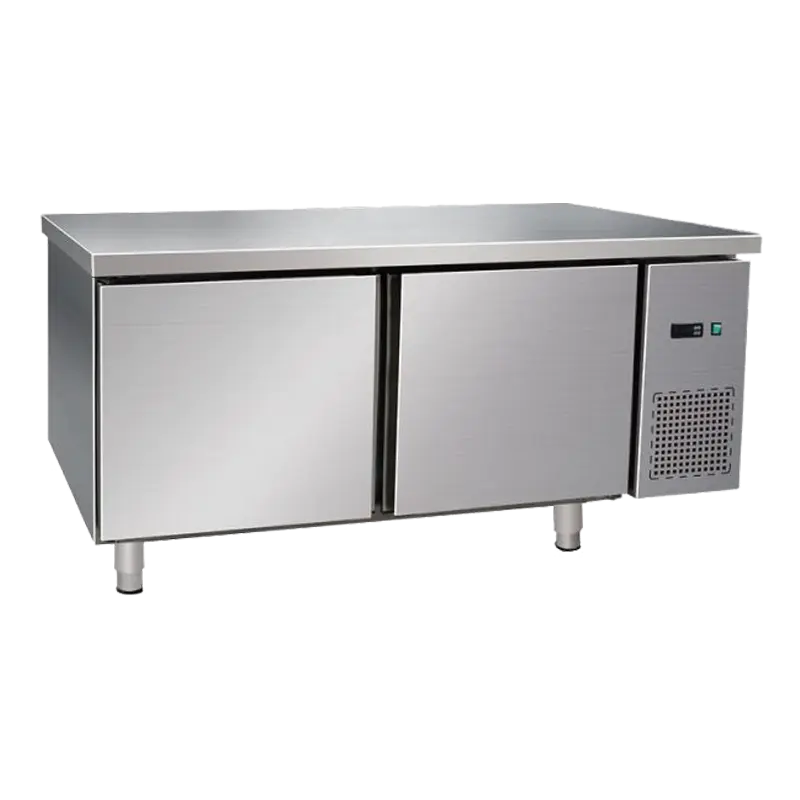
If you are buying a case for a room with windows, UV-filtering glass is not an optional upgrade. It is the feature that determines whether the case protects the collection or simply organizes it while it degrades. For commercial settings where glassware doubles as merchandise — such as a small condiment refrigerated display case in a bar or tasting room — UV protection becomes even more critical because the lighting is typically brighter and runs for more hours per day.
Top Shot Glass Display Cases with Glass Doors: Recommendations by Category
The market offers strong options across every price tier and style preference. The following five categories represent the best value at each level, based on build quality, included features, and long-term owner satisfaction. These are not ranked in order — the right choice depends entirely on your collection size, display location, and budget.
Best Entry-Level Case: 24-Glass Wall-Mount with Magnetic Door
For collectors just starting out or anyone buying a display case as a gift, the 24-glass wall-mount format offers the lowest risk entry point. Expect a painted MDF body, a tempered glass door with magnetic catch, and plain backing at this price. While these cases lack UV-filtering glass and keyed locks, they perform their core function — keeping dust off the collection — reliably. Prices cluster around $30-45. Upgrade to a mirror-backed version for an additional $10-15 if budget allows.
Best Mid-Range Value: 54-Glass Case with Mirror Back and Lock
The 54-glass format is the sweet spot of the market. It fits most collections comfortably, mounts securely to two studs at standard 16-inch spacing, and includes the features that matter: a keyed lock, mirror backing, UV-coated tempered glass, and a mix of standard and tall compartments. This is the case that satisfies 80% of buyers and leaves little to upgrade later. Prices range from $65-95 depending on wood species and finish quality. Look specifically for models with metal shelf pins and full-length piano hinges.
Best Large-Format: 108-Glass Double-Wide Display
For collectors who have outgrown a single 54-glass case, the 108-glass format provides room for the entire collection plus future acquisitions. These cases typically measure 26-28 inches wide by 30-34 inches tall, requiring mounting across three studs for safe installation. The best versions use solid pine or oak frames with UV-filtering glass and include 12 tall compartments for oversized pieces. Expect to pay $110-160. At this size, verify that the case includes a center support bracket — without it, the middle shelf will sag noticeably within two years.
Best Premium: Custom Hardwood with Full UV Protection
Hand-built cases from small workshops offer material quality and customization that mass-produced units cannot match. Walnut, cherry, and quarter-sawn oak are the most requested species. Custom cases can accommodate non-standard glass sizes, unusual compartment layouts, and integrated LED lighting with dimmable drivers. Lead times run 4-8 weeks and prices start at $250 for a 54-glass configuration. The investment makes sense for collections valued over $1,000 or for display cases that serve as permanent furniture pieces in a home.
Best Commercial-Grade: Locking Metal Display for Bars and Restaurants
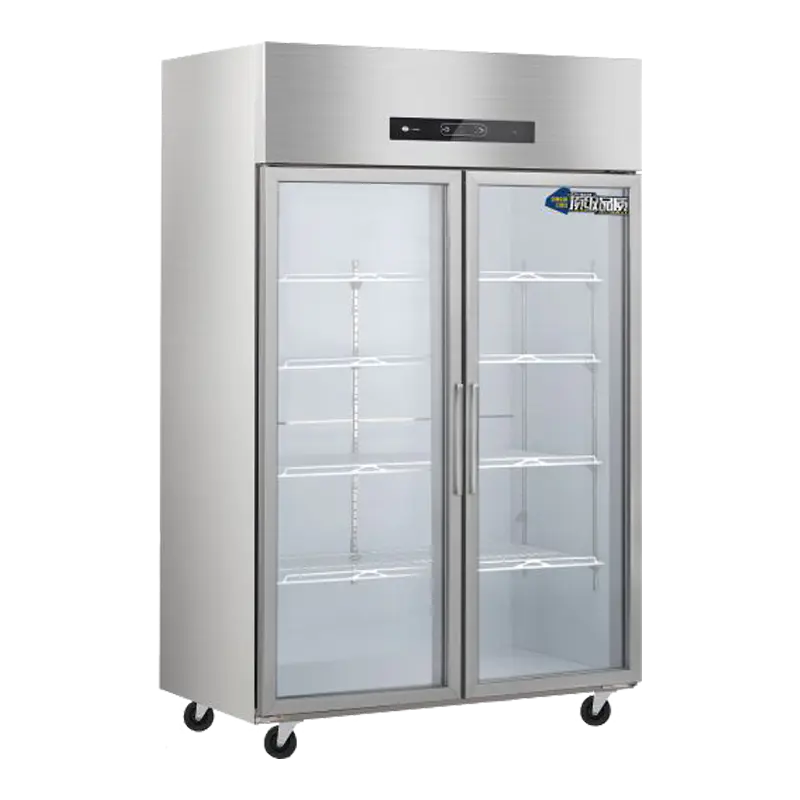
For high-traffic environments where the case will be opened frequently, metal construction with reinforced hinges and a commercial-grade lock offers longevity that wood cannot match. These cases use powder-coated steel or anodized aluminum frames with 0.1875-inch tempered glass doors and keyed-alike lock systems for multi-case installations. Prices range from $100-180. In settings where glassware needs both display prominence and temperature management, integrated refrigerated units provide a combined solution worth evaluating alongside traditional dry display cases.
| Category | Capacity | Door Material | Lock | Back Panel | Price |
|---|---|---|---|---|---|
| Entry-Level | 24 glasses | Tempered glass | Magnetic | Plain | $30-45 |
| Mid-Range Value | 54 glasses | UV-coated glass | Keyed | Mirror | $65-95 |
| Large-Format | 108 glasses | UV-filtering glass | Keyed | Mirror | $110-160 |
| Custom Hardwood | Custom | UV-filtering glass | Keyed brass | Choice of finish | $250+ |
| Commercial Metal | 54-108 glasses | Tempered safety glass | Commercial keyed | Powder-coated | $100-180 |