
 English
 русский
 Español
 عربى
عربى

Merchandiser Display Types, Materials, and Selection Guide
Content
- 1 What Is a Merchandiser Display? (Definition & Core Purpose)
- 2 6 Common Types of Merchandiser Displays (With Use Cases)
- 3 Refrigerated vs Non-Refrigerated: Which One Do You Need?
- 4 Key Materials Compared: Stainless Steel, Acrylic, Metal, and Wood
- 5 How to Choose the Right Merchandiser Display: A 5-Step Framework
- 6 Custom vs Standard Merchandiser Displays: Pros, Cons, and Cost Analysis
- 7 Compliance & Safety Tips for Food Merchandiser Displays
- 8 Maintenance Best Practices to Extend Display Lifespan
What Is a Merchandiser Display? (Definition & Core Purpose)
A merchandiser display is a dedicated retail fixture designed to sell products directly from the presentation unit itself. Unlike standard warehouse shelving that simply holds inventory, a display merchandiser actively educates the shopper and triggers impulse purchases. In high-traffic grocery aisles, a well-placed dump bin or a sleek refrigerated case does not just store items — it accelerates stock turnover.
The core purpose breaks down into three specific functions. First, it captures attention through strategic placement and visual contrast. Second, it encourages physical interaction, allowing customers to touch, lift, or browse without friction. Third, it guides the buying decision by presenting complementary items together. A display that fails to perform these three functions is merely occupying expensive floor space.
Retailers across supermarkets, convenience stores, and specialty food shops rely on these units to bridge the gap between passive browsing and active purchasing. The right configuration can lift category sales by 15 to 30 percent, a figure consistently observed in planogram resets. Understanding the distinction between a basic shelf and a true merchandiser display is the starting point for any store layout overhaul.
6 Common Types of Merchandiser Displays (With Use Cases)
Selecting the correct format depends entirely on the product’s physical profile and the shopper’s expected behavior. A heavy bag of rice requires a completely different structural approach than a high-margin lip balm. Below are the six primary configurations found in retail environments today.
| Display Type | Typical Products | Key Advantage | Best Location |
|---|---|---|---|
| Floor Dump Bins | Discounted snacks, seasonal toys, bulk candy | High volume capacity, low cost per unit displayed | Aisle ends, entry lobbies |
| Slatwall/Hook Panels | Packaged deli meats, hanging tools, small accessories | Vertical density, easy planogram changes | Perimeter walls, narrow aisles |
| Countertop Showcases | Confectionery, cosmetics, impulse snacks | Direct eye-level engagement at checkout | Point-of-sale counters |
| Gondola Shelving | Canned goods, dry grocery, household items | Modularity, standard sizing, rugged load bearing | Center-store aisles |
| Free-Standing Floor Displays | Beverage multipacks, promotional electronics | Temporary zoning, weather-resistant for outdoor use | Speed lanes, seasonal pop-ups |
| Refrigerated/Freezer Cases | Dairy, fresh meat, ice cream, frozen seafood | Preserves cold chain, increases dwell time for perishables | Perimeter fresh zones |
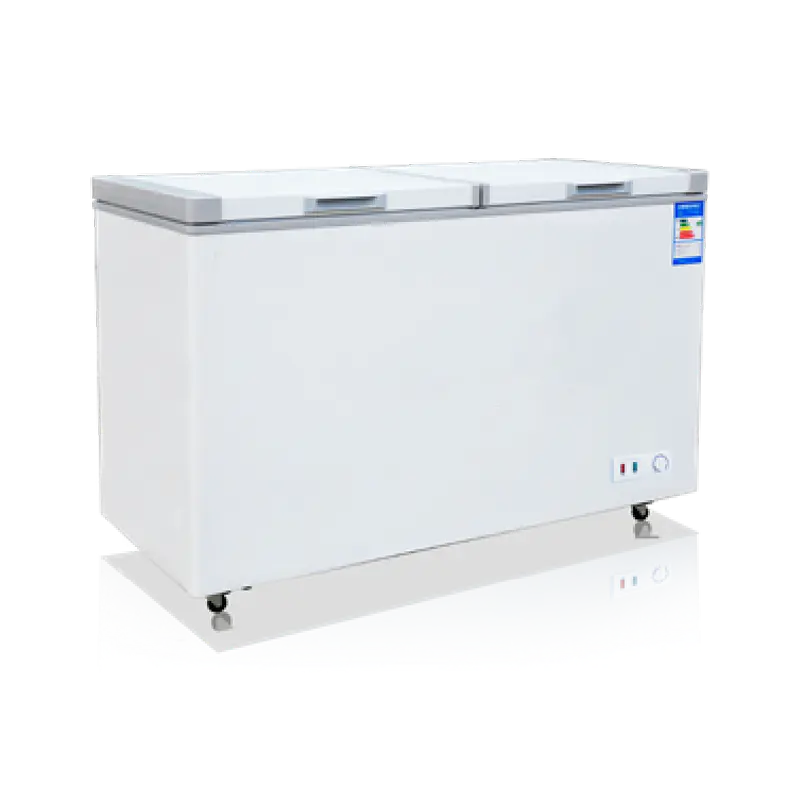
While corrugated cardboard dump bins work for a six-week promotional window, permanent refrigerated displays are a capital investment that must perform for a decade. The heavy-duty engineering required for a commercial display freezer unit — including compressor cycling and anti-fog glass doors — places these models in a separate evaluation category.
Refrigerated vs Non-Refrigerated: Which One Do You Need?
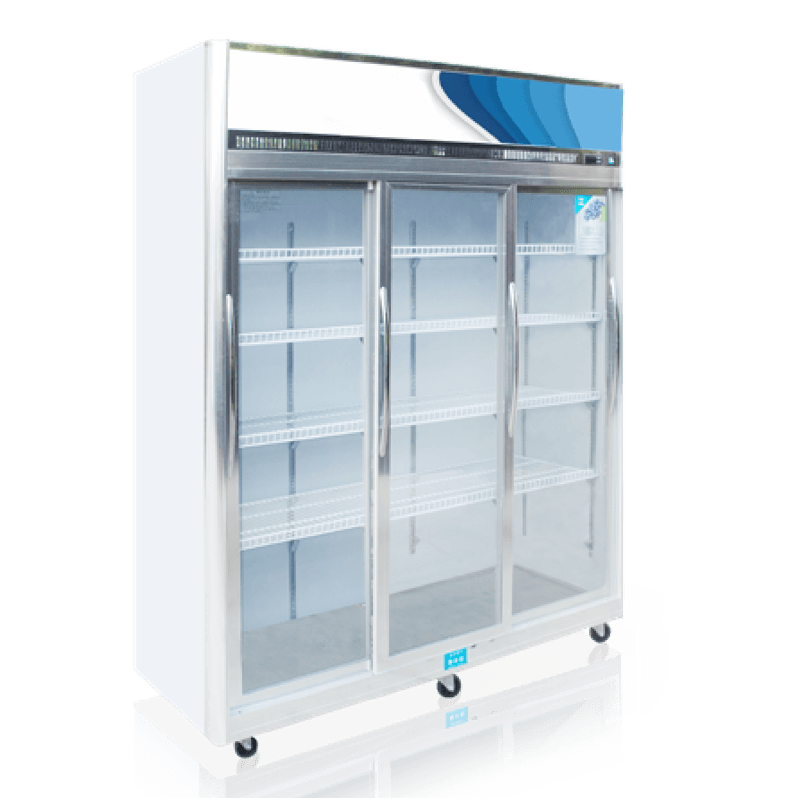
The single most consequential decision in specifying a merchandiser display is temperature control. Non-refrigerated units handle dry goods, apparel, and general merchandise effectively. But once the product involves dairy, fresh meat, or frozen desserts, ambient shelving becomes a food-safety liability. The operational cost gap is significant: a refrigerated display adds energy consumption and compressor maintenance to the balance sheet.
| Feature | Non-Refrigerated Display | Refrigerated Display (0–4°C) | Freezer Display (-18°C or lower) |
|---|---|---|---|
| Product Fit | Snacks, bread, apparel, electronics | Milk, cheese, fresh pasta, salads | Ice cream, frozen meat, seafood |
| Energy Cost (Monthly Est.) | $0 | $60–$180 | $120–$350 |
| Typical Lifespan | 7–10 years | 8–12 years | 8–10 years |
| Critical Certification | UL/ETL (if lighting present) | ETL, NSF/ANSI 7 | ETL, NSF/ANSI 7, Energy Star |
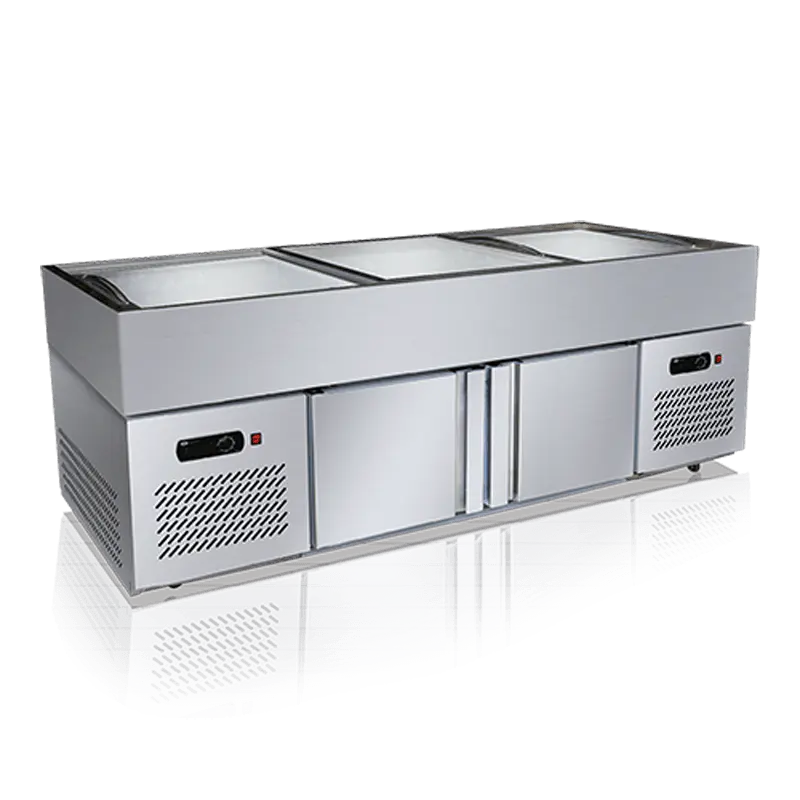
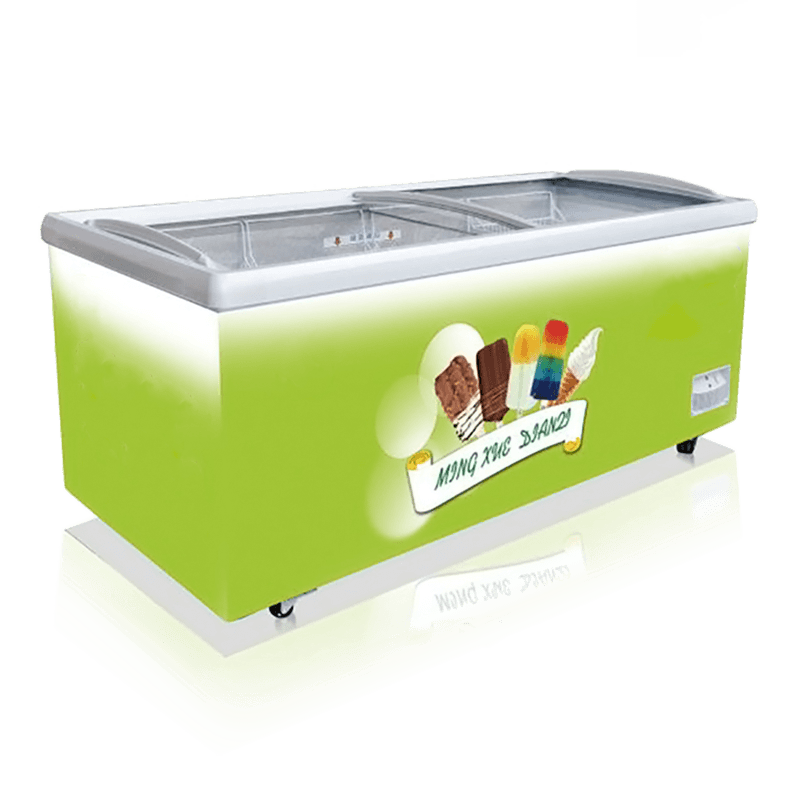
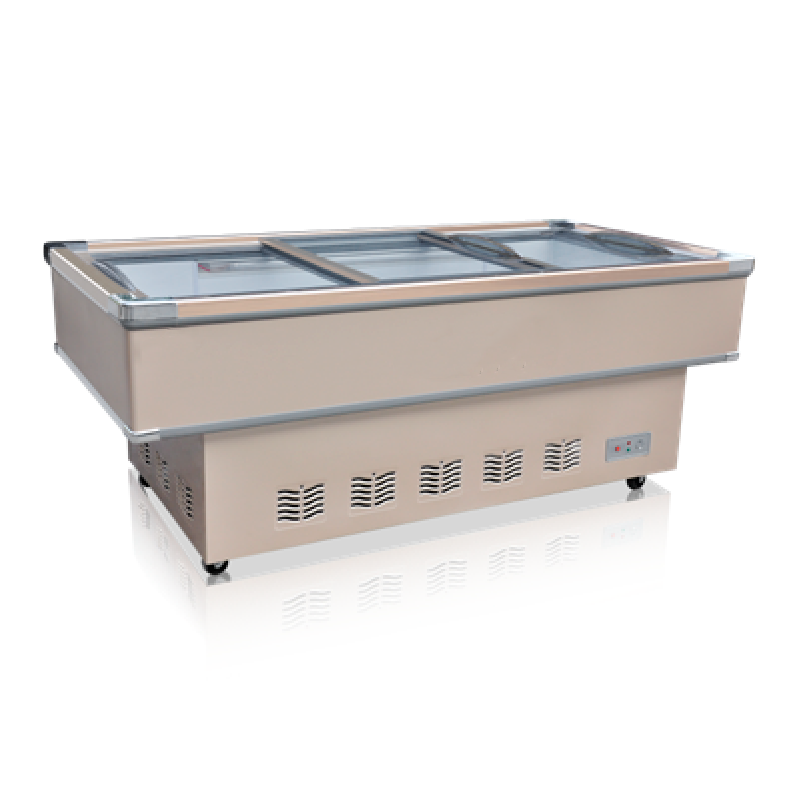
For a butcher shop or a high-end gelato counter, a non-refrigerated table is not an option. A purpose-built deep bottom ice cream display freezer holds product at a consistent -18°C while presenting the tubs through curved glass for maximum visible surface area. In seafood departments, hygiene and drainage become additional design drivers. Units like the seafood refrigerated display case address these needs with sloped trays, integrated ice storage, and corrosion-resistant stainless steel coils to handle saline exposure.
Key Materials Compared: Stainless Steel, Acrylic, Metal, and Wood
Material choice dictates not only aesthetics but also sanitation compliance and structural fatigue life. Often, a visually appealing wooden display fails a health inspection within six months because moisture warped the surfaces. The table below outlines the trade-offs.
| Material | Cost Index | Lifespan | Cleanability | Best Application |
|---|---|---|---|---|
| 304 Stainless Steel | High | 12–15 years | Excellent (non-porous) | Food processing, raw meat, wet markets |
| Powder-Coated Metal | Low | 5–7 years | Moderate (chip risk) | Dry grocery, general retail |
| Acrylic / Plexiglass | Medium | 3–5 years | Good (scratch-prone) | Bakery, high-visibility bakery cases |
| Solid Wood / Veneer | Medium-High | 5–8 years | Poor (porous) | Wine shops, premium gift displays |
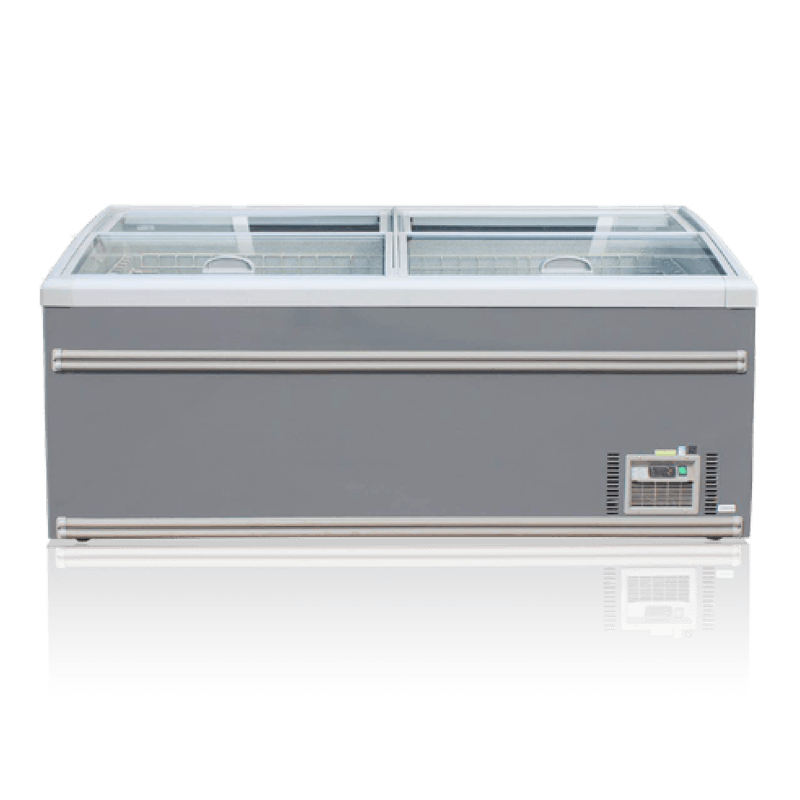
In practice, high-volume food operations standardize on 304 stainless steel for load-bearing surfaces and interior liners. The upfront material cost is higher, but the avoidance of rust-induced health-code violations makes it the cheapest option over a ten-year lifecycle. For a deli counter handling sliced meats and cheeses, a delicatessen refrigerated display case with a stainless interior and tempered glass front combines the necessary hygiene profile with clear product visibility.
How to Choose the Right Merchandiser Display: A 5-Step Framework
A structured evaluation prevents costly misorders. Follow these five steps to narrow the field from hundreds of possible models to the one or two that fit the layout and budget.
- Product Profile Audit. Measure the weight, dimensions, and temperature sensitivity of the specific SKUs. Stacked yogurt cups demand different shelf pitch than hanging bagged jerky. If the goods require a cold chain, you must select from chilled or frozen categories immediately.
- Floor Plan and Traffic Flow. Map the customer path. End-cap displays work for high-impulse items because shoppers naturally turn their heads at aisle intersections. Gondola runs suit planned purchases. Check ceiling height restrictions if the unit includes a top-mounted compressor.
- Load Capacity and Shelf Adjustability. Confirm the rated weight per shelf. A fully loaded beverage display can exceed 150 kg per tier. Fixed shelves create planogram rigidity; adjustable shelves let you re-merchandise for seasonal shifts without buying a new fixture.
- Total Cost of Ownership Calculation. Add purchase price, estimated electricity (for refrigerated models), lamp replacements, and expected repair costs over five years. A cheap imported display freezer with a generic compressor often costs more in emergency service calls than a unit with a reliable branded compressor.
- Brand and Finish Matching. A black matte powder coat might signal value, while brushed stainless signals premium freshness. The finish must align with the store’s overall visual identity — a mismatched display erodes the perception of quality across the entire category.
Custom vs Standard Merchandiser Displays: Pros, Cons, and Cost Analysis
Off-the-shelf displays ship in days and cost less, but they force your product to adapt to a fixed footprint. Custom fabrication allows you to engineer the exact sightline, shelf depth, and branding elements, but the timeline stretches significantly. For businesses needing a unique curved front to fit a specific shop corner, custom is the only path.
| Factor | Standard Display | Custom Fabrication |
|---|---|---|
| Lead Time | 3–10 business days | 4–8 weeks |
| Minimum Order Quantity | 1 unit | Typically 50–200 units |
| Unit Price Premium | Baseline | +20% to +40% |
| Design Flexibility | Limited to catalog dimensions | Full control over materials, lighting, and graphics |
For a niche chocolatier wanting a temperature-controlled display with a specific wood veneer finish, a custom approach is worth the premium. For a convenience store chain rolling out a standard snack program across 200 locations, consistent off-the-shelf units keep capital expenditure predictable.
Compliance & Safety Tips for Food Merchandiser Displays
Neither durability nor aesthetics matter if the unit fails a health department inspection. The regulatory framework focuses on food-contact surfaces and electrical safety.
- FDA / Food Contact. Any surface touching unpackaged food must be smooth, non-absorbent, and corrosion-resistant. 304 stainless steel meets this standard; raw wood and certain powder coats do not.
- NSF/ANSI 7. This standard specifically covers commercial refrigerators and freezers. It verifies that the unit can hold safe temperatures during frequent door openings in a hot kitchen or store environment.
- ETL or UL Listing. These marks confirm the electrical assembly — compressors, fans, lighting — won’t cause a shock or fire hazard. Local inspectors check for these labels during the final sign-off.
- Energy Star (Refrigerated Units). While not always mandatory, Energy Star certification often unlocks utility rebates and reduces operating expense by roughly 20 percent compared to non-certified models.
Maintenance Best Practices to Extend Display Lifespan
Neglected maintenance erodes the visual appeal and mechanical reliability of a merchandiser display. A dusty condenser coil on a refrigerated unit drives up compressor run time and accelerates failure.
| Frequency | Task | Refrigerated Unit Specific |
|---|---|---|
| Daily | Wipe down glass, shelves, and handles with neutral cleaner | Check digital temperature readout against set point |
| Weekly | Inspect door gaskets for tears or food residue | Vacuum condenser coil fins gently |
| Monthly | Tighten all visible screws and shelf brackets | Clear drain lines to prevent ice buildup |
| Quarterly | Replace damaged LED strips or signage panels | Calibrate thermostat and defrost timer |
A consistent cleaning schedule keeps the glass on a sliding-door display freezer transparent and free of fogging residue. This directly impacts the “grab rate” — consumers open the door less often when they can see the product clearly, saving energy and maintaining a stable internal temperature.